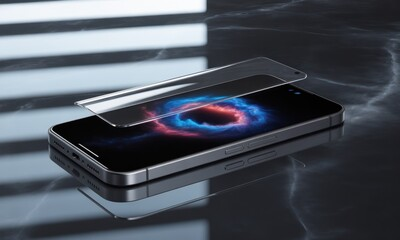
Modern devices feature glass screens built to take far more abuse than their predecessors. But even innovative and durable Corning Gorilla Glass is not indestructible.
Screen protectors are a thin layer of plastic or glass that sits on top of the display. They absorb usage and wear, offering a number of benefits that make them worth the investment. Contact Used Cell Phones Colorado Springs for more details.
1. Protection
Although modern phones often come with strong Gorilla Glass screens, even this is not indestructible. Adding a screen protector can offer added protection, stopping scratches and preventing the kind of cracks that can shatter a phone’s display. These kinds of cracks can make the phone unusable, and a cracked screen is costly to repair or replace. It’s also a blemish that can reduce the phone’s resale value.
Tempered glass and polymer plastic are popular choices for screen protectors, and the right one can help protect your phone from accidental damage. ZAGG’s premium options offer both tempered glass and polymer film protection, providing durability and impact resistance. These products are available with or without a scratch-resistant coating, and some include special anti-glare features to reduce the effects of direct sunlight on your phone’s screen.
In addition to protecting the screen, some tempered glass and polymer plastic protectors can also provide privacy. The special technology on these products uses a film layer to prevent prying eyes from viewing your phone’s contents, and they can help you feel more confident using the phone in public settings.
When choosing a protector, it’s important to consider the thickness and quality of the material. Thick, cheap plastic and tempered glass protectors can affect touch sensitivity and the clarity of the display, but high-quality options are designed to be virtually invisible and preserve your phone’s screen clarity and responsiveness. This makes them a practical and cost-effective way to keep your phone safe from the unexpected.
2. Style
The display is the most expensive part of a phone, so it makes sense to guard it from nicks and scrapes. Even though many phones come with Gorilla Glass and other durable screens, they can still get scuffed or scratched during normal use. Over time, microscopic scratches can wear down the screen’s durability and create a breaking point for your device, so it’s worth protecting your phone or tablet with a protector.
Most protectors are available in a wide range of finishes and features to help you customize your look. Glossy protectors preserve colors and visual fidelity, while matte protectors cut glare to make your device easier on the eyes. Some also include oleophobic coatings, which repel oils and make it easier to wipe off fingerprints and smudges. Several protectors offer extra functionality, like self-healing technology that gradually closes minor scratches over time. Some are designed for specific displays, such as curved or wraparound screens, and others have additional features like anti-glare and privacy protection.
No matter what style you choose, all protectors come with some downsides and trade-offs. Some can reduce the clarity of your display, adding reflections or a halo effect. Others can interfere with touch sensitivity or add extra thickness to your device. Choosing a brand with a reputation for quality and a focus on the installation process can help you avoid these issues.
For instance, tempered glass protectors are easy to install and typically provide a smooth surface with a high optical clarity. TPU films, on the other hand, require more patience to apply and can trap dust or air bubbles if not applied properly. A good brand will include tools and guides to help you avoid these problems, such as a precision alignment tool or a guided application app.
3. Privacy
Modern screens are a lot more scratch and impact resistant than their predecessors, but a wrong drop still has the potential to leave your display irreparably damaged. Although they can’t prevent screen damage beyond a certain point, quality protectors offer significant value in extending the lifespan of your device while minimizing general wear and tear that leads to cracks over time.
In a technical sense, a screen protector is a thin layer of glass or plastic that you can apply to a phone’s display to protect it from smudges, scratches and dust. They are typically crafted from materials such as PET or tempered glass, and they often come with extra features, like anti-glare coatings that reduce reflections or privacy filters that narrow the viewing angle to keep others from seeing your screen content.
The best screen protectors are designed to perfectly fit your device’s display, ensuring a smooth tactile experience and providing precise gesture control. They also have high optical clarity ratings and offer durable materials that can withstand the occasional accidental bump or drop without damage. Those looking for additional protection can opt for a case that features built-in bumpers and corners to shield the edges of your device from drops.
Despite the many benefits of screen protectors, they aren’t ideal for everyone. Some users report reduced touch sensitivity and diminished display quality, especially with thicker or lower-quality protectors. Additionally, a screen protector can collect dirt or dust around the edges, which may lift over time and create an unsightly border. While these drawbacks are relatively minor, they should be considered before investing in a product. A better option is to pair a high-quality protector with a case that offers both style and sustainability, like our ply cases crafted from recycled skateboards.
4. Durability
Modern smartphone screens are stronger, more flexible, and better at dispersing impact. However, they’re not indestructible, and the accumulated wear of daily usage will eventually lead to microfractures and material fatigue. Screen protectors act as a sacrificial layer to absorb the impact, lessening the severity of damage and significantly extending the life of your phone’s display.
The durability of a product depends on a myriad of factors, from the materials used to the design process and manufacturing techniques. Thoughtful design features, adherence to industry standards, and rigorous quality control all contribute to a product’s ability to stand up to regular use and resist degradation over time.
As a general rule, tempered glass protectors tend to offer the best overall durability. They’re rigid, line up cleanly, and often include guides trays or alignment tools for easy installation. They also feature built-in anti-reflective coatings that reduce glare and haloing, as well as privacy protections that narrow the viewing angle to prevent others from seeing your screen content. TPU films are a close second, with self-healing properties for minor scratches that fade over time. They’re typically cheaper than tempered glass and more durable than PET protectors, but don’t provide as much impact resistance.
No matter what you choose, the downside of any protective accessory is that it adds an extra layer of thickness and sometimes interferes with touch sensitivity or catches on cases and covers. Additionally, any screen protector will eventually degrade over time and require replacement. Fortunately, professional repair services like CellularPort are able to restore damaged smartphones to their original condition quickly and at a lower cost than mall kiosks. For the most peace of mind, we recommend pairing a high-quality tempered glass protector with a case that offers raised edges for additional drop prevention and protection.
5. Ease of Use
Screen protectors help ensure that your device’s display is as pristine as the day you got it. Scratches, marks and other damage from everyday wear and tear are a common problem with many devices that can impact your ability to use your device to its full potential. While they can’t prevent every type of damage, a good quality protector helps keep your phone or tablet in pristine condition and can help maximize its resale value when it comes time to sell or trade it.
Screen Protectors come in a wide range of materials and designs, with each offering a different balance of thickness, clarity and protection. The best option for most is a tempered glass protector that offers superior scratch resistance and durability while still maintaining high touch sensitivity and optical clarity. Most options feature an oleophobic coating that repels fingerprints and oils to keep your screen clean. Some are designed for easy installation and can be easily removed to maintain their integrity.
If you’re looking for the most comprehensive protection, a combination case and screen protector is the way to go. However, these types of protectors tend to be bulkier and can make it difficult to fit your phone in a pocket or bag. If you want to minimize bulk and weight, an individual case or a hybrid protector made from a thin, composite-style material with a high hardness rating is the best choice. These types of protectors are lighter than a traditional tempered glass protector and offer some protection from drops while still protecting your device’s display.
Screen protectors are one of the most common and affordable accessories for mobile devices, helping to preserve the quality of your device and prolonging its lifespan. When selecting a protector for your device, look for ones that are tailored to the specific model of your device to ensure a smooth and bubble-free application.